

Inroduction
High arches can cause real pain. Many people deal with foot aches, leg fatigue, and even knee problems because of poor arch support. The right orthotics can change that.
I have worked with patients and athletes with high arch issues for years. In that time, I have seen how the right insole can reduce pain and improve movement. This guide covers everything you need to know to find the best custom orthotics for high arches.
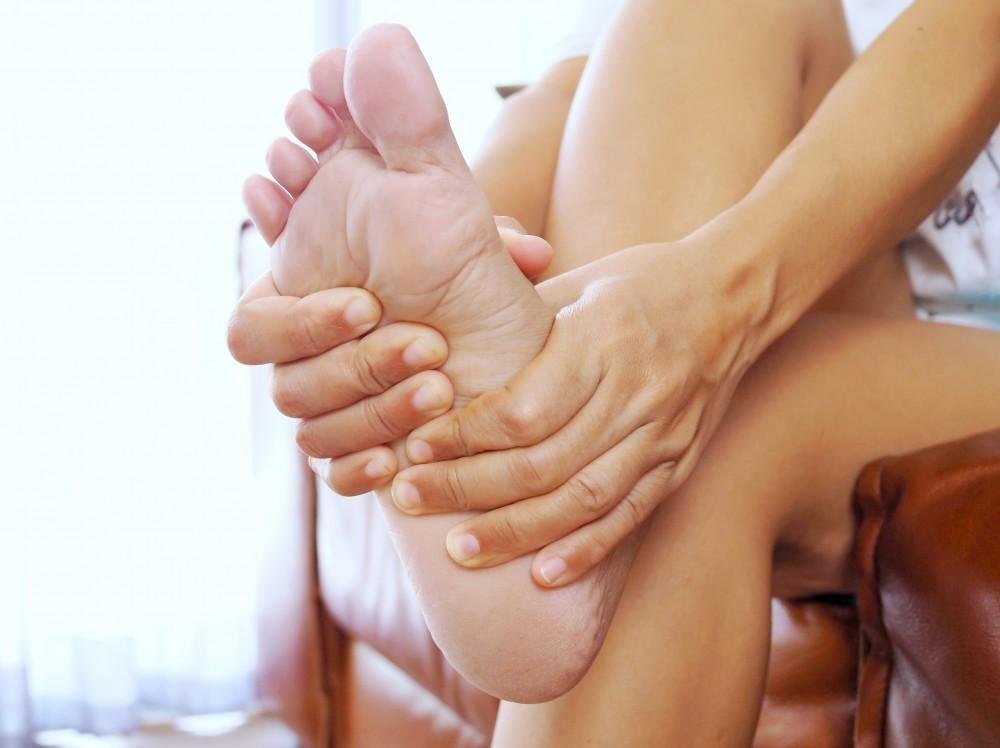
Whether you are on your feet all day or just need comfort during daily walks, this guide will help you make the right choice.
Keypoints
- Best custom orthotics for high arches.
- Reduce pain and improve comfort.
- Find top orthotics for high arches with expert tips and support.
- High arch pain relief with the best custom orthotics.
- Discover orthotics that support high arches and reduce strain.
- Improve comfort with custom orthotics for high arches.
- Top insoles for high arches to boost support and stability.
- Reduce foot pain with expert-recommended orthotics.
- Best high arch support for daily comfort and movement.
- Find the right orthotics to relieve high arch pain.
- Custom orthotics for better support, comfort, and relief.
Understanding High Arches and Why They Need Support
High arches, also called cavus foot, occur when the arch of your foot sits much higher than normal. This puts extra pressure on the ball and heel of your foot. Over time, this leads to pain and instability.
Common Signs You Have High Arches
- Foot pain after standing or walking for long periods
- Frequent ankle sprains or instability
- Calluses on the ball or heel of the foot
- Toes that claw or curl downward
- Difficulty finding shoes that fit properly
According to the American Podiatric Medical Association, about 20% of people have high arches. Left untreated, this condition can lead to plantar fasciitis, Achilles tendonitis, and stress fractures.
How Orthotics Help
Orthotics work by redistributing your body weight across a larger surface area of the foot. They cushion pressure points and provide lateral support so your ankle stays stable. Good orthotics also reduce the strain on tendons and ligaments that a high arch puts under constant tension.
Types of Custom Orthotics for High Arches
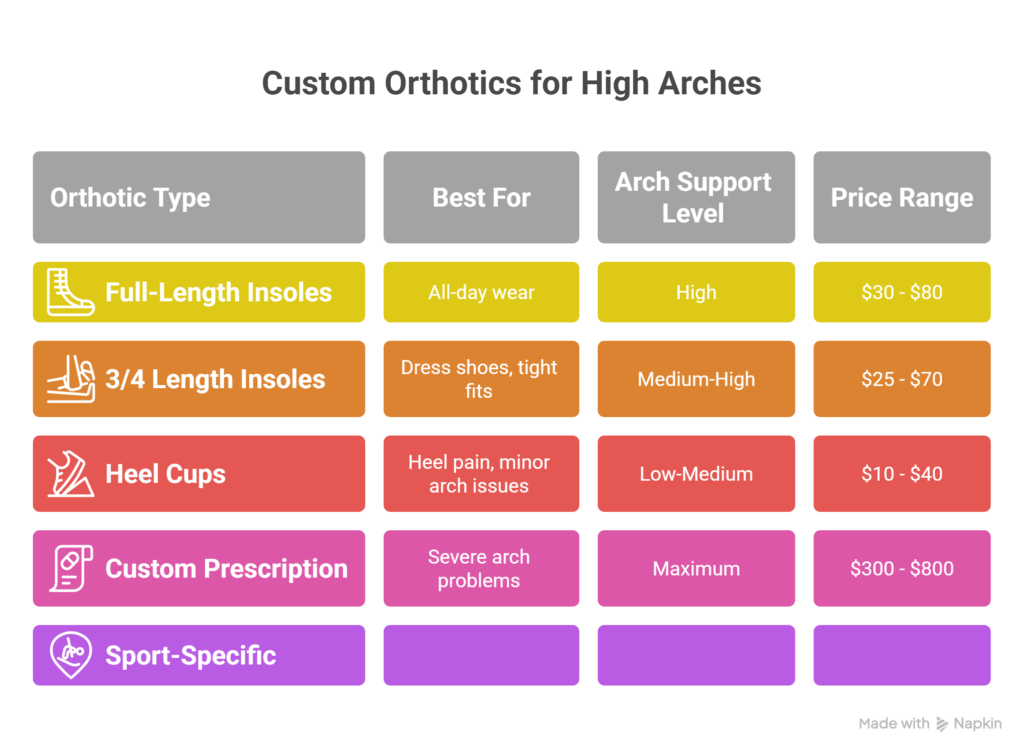
Not all orthotics are the same. The type you choose depends on your activity level, foot shape, and how severe your arch issue is. Here is a breakdown of the main options available.
Full-Length Insoles
These replace the entire factory insole in your shoe. They offer the most contact with your foot and the most consistent support. They work well in athletic and casual shoes. Many podiatrists recommend them as a first-line option for high arches.
3/4 Length Insoles
These run from the heel to just behind the ball of your foot. They are thinner and fit into tighter shoes like dress shoes or loafers. They provide solid arch support but slightly less cushioning in the forefoot area.
Prescription Custom Orthotics
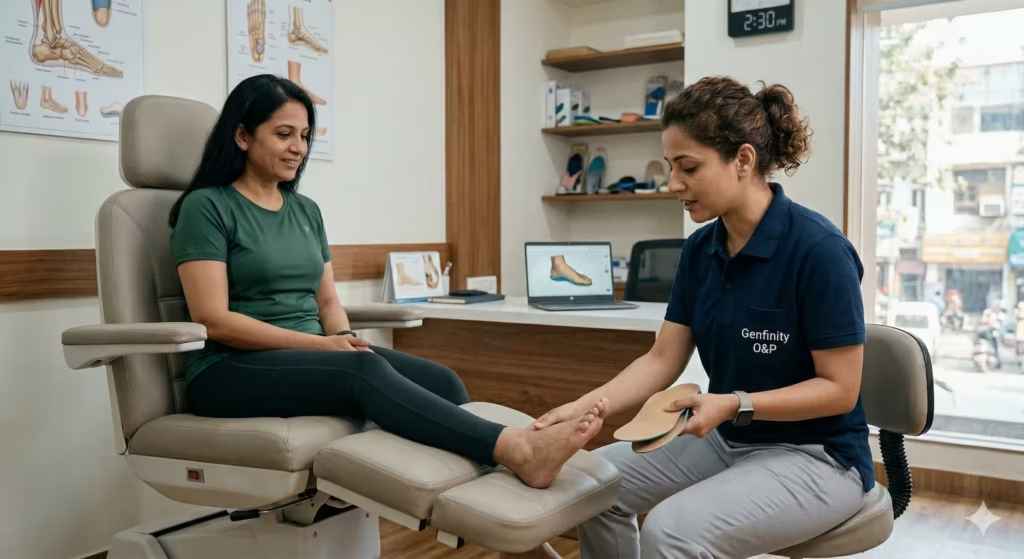
A podiatrist creates these using a mold or 3D scan of your foot. They are made to match your exact arch shape and biomechanics. They cost more but offer the most precise support. Research published in the Journal of Foot and Ankle Research shows custom orthotics reduce pain by up to 75% in patients with high arch disorders.
Key Features to Look for in High Arch Orthotics
When shopping for orthotics, focus on these features. They make a big difference in how well the product works for your specific condition.
Deep Heel Cup
A deep heel cup cradles the heel and keeps it from rolling outward. This is critical for people with high arches because their heels tend to supinate, or tilt to the outside. A good heel cup is at least 14 to 18 mm deep.
Firm but Flexible Shell
The base of the orthotic should be firm enough to hold its shape under your weight. But it also needs a little flex to absorb impact with each step. Rigid plastic shells work well for severe cases. Semi-rigid materials suit most people with moderate high arches.
Metatarsal Pad or Forefoot Cushioning
High arches shift pressure to the ball of the foot. A metatarsal pad placed just behind the ball reduces this pressure. Look for orthotics that include this feature or allow you to add a pad.
Arch Fill Material
The material used to fill the arch area matters. Memory foam conforms over time but may compress quickly. EVA foam offers a balance of support and durability. Gel inserts provide great shock absorption but can feel heavy. For high arches, EVA or a firm foam fill typically works best.
Practical Tips for Using Orthotics With High Arches
Getting orthotics is just the first step. How you use and care for them matters just as much. Follow these tips to get the most from your investment.
Break Them In Slowly
Do not wear new orthotics all day from the start. Begin with two to three hours per day. Add one hour each day over a week or two. This gives your feet and muscles time to adjust without causing soreness.
Pair With the Right Shoes
Orthotics work best in shoes with a removable insole. Look for shoes with a wide toe box and a firm heel counter. Avoid flat, unsupportive shoes like flip-flops. Running shoes and walking shoes are usually good options.
Check for Signs of Wear
- Replace orthotics every 12 to 18 months under normal use
- Check the heel cup for cracks or deformation every few months
- If cushioning feels flat or uneven, it is time for a new pair
- Always clean orthotics with mild soap and let them air dry
Grab Your Custom Solution for Just $200 – Limited Time Only! Book It Now!
See a Podiatrist if Pain Persists
Over-the-counter orthotics help most people. But if your pain does not improve after four to six weeks, see a foot specialist. You may need a prescription orthotic or a different treatment approach. The American Academy of Orthopaedic Surgeons recommends a professional evaluation for persistent arch pain.
Expert Insights on Choosing the Right Orthotic
From my experience working with athletes and everyday patients, I have found a few truths that do not always appear on product labels.
First, price does not always predict performance. A well-designed mid-range orthotic often outperforms a premium product for someone with a moderate high arch. The fit and the specific features matter more than the brand name.
Second, bilateral symmetry matters. Many people assume their two feet are mirror images. They are not. If one arch is noticeably higher than the other, you may need different support levels for each foot. A podiatrist can assess this properly.
Third, activity type should guide your choice. A runner with high arches needs more shock absorption and a longer metatarsal pad. A person who stands at a desk all day needs maximum cushioning and a deeper heel cup. There is no one-size-fits-all solution.
Recovery Tips for High Arch Pain Relief
Orthotics are one part of the solution. Combine them with these recovery practices for the best results.
Stretch Your Calves and Plantar Fascia Daily
Tight calf muscles make high arch problems worse. Stretch your calves for 30 seconds on each side every morning before you get out of bed. A plantar fascia stretch, where you pull your toes back toward your shin, also helps reduce tension in the arch.
Strengthen Your Foot Muscles
Weak intrinsic foot muscles cannot support a high arch on their own. Simple exercises like towel scrunches, toe spreads, and short foot drills build the strength your arch needs. Do these three to four times per week.
Apply Ice After Long Days
If your feet ache after a long day, apply ice for 15 to 20 minutes. This reduces inflammation in the arch and heel. Avoid applying ice directly to skin. Use a cloth or towel as a barrier.
Monitor Your Progress
Keep a simple log of your pain levels each week. Note any changes in how long you can stand or walk comfortably. This helps you and your doctor track whether your orthotics and exercises are working.
Related Reading for Foot Health
If you want to go deeper on foot care and related conditions, these topics are worth exploring. The team at Genfinity O&P covers all of these in detail.
- Why Custom Orthotics Are Worth the Investment
- Everything You Should Know About Orthotics and Prosthetics
- Custom Made Orthotics: Benefits, Process and Results
- Prosthetics vs Orthotics: Key Differences Explained
For more clinical guidance, visit the American Podiatric Medical Association and the American Academy of Orthopaedic Surgeons for detailed resources on orthotics and foot care.
Conclusion
High arches are a real structural challenge. But with the right orthotics, most people can reduce pain and get back to living normally. The key is knowing what features to look for and matching them to your specific needs.
Focus on a deep heel cup, firm arch fill, and metatarsal support. Break in your orthotics slowly and pair them with the right footwear. Add daily stretches and strengthening exercises to speed up your recovery.
If you are unsure where to start, visit a podiatrist for a proper assessment. Custom orthotics offer the best fit, though quality over-the-counter options work well for many people.
Ready to find relief? Start by evaluating your current footwear and arch type. Then use this guide to choose an orthotic that fits your lifestyle. Your feet carry you every day, so give them the support they deserve.