
Introduction
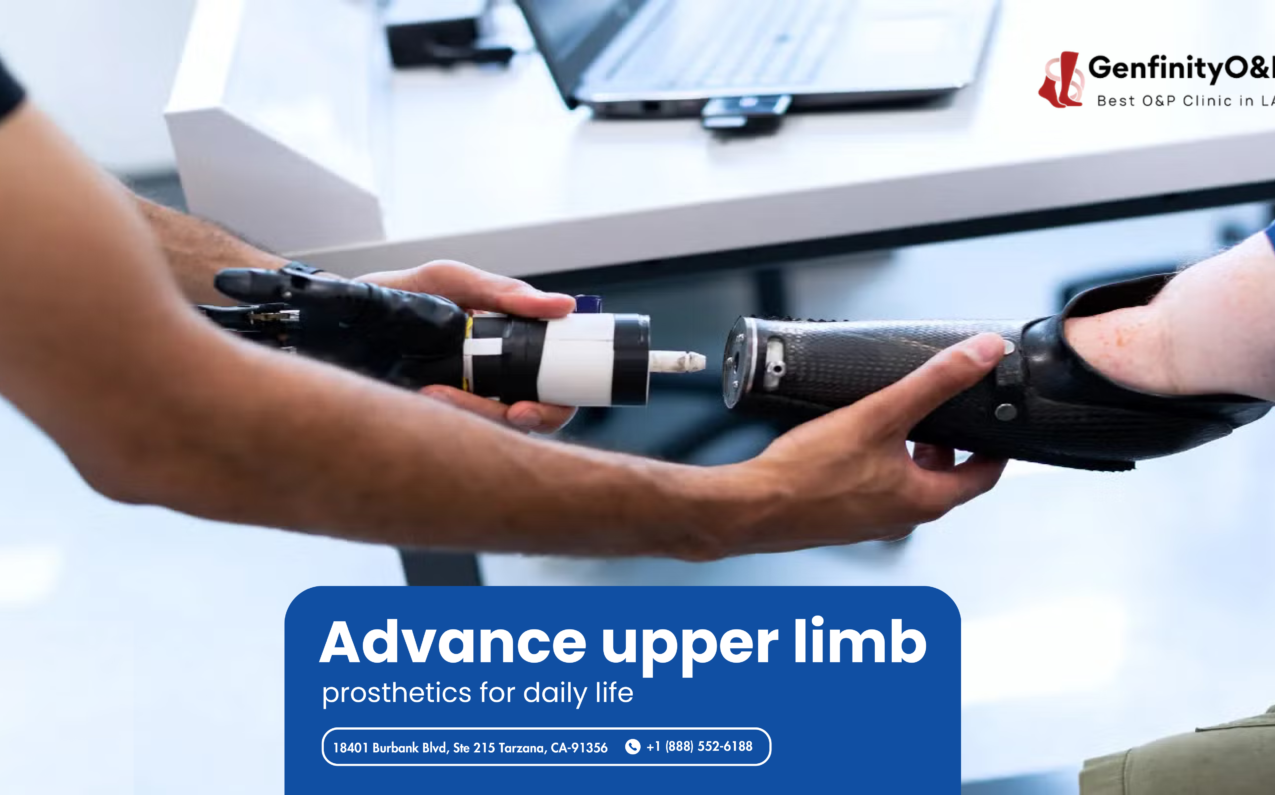
Living with an upper limb difference is a real challenge. Simple tasks like cooking, dressing, or writing can feel hard. But advanced upper limb prosthetics are changing that. Today, people have more options than ever. These devices help users do more, feel more confident, and live with greater independence.
This guide breaks down the most advanced upper limb prosthetic options available today. It covers how they work, how they help with daily activities, and what to expect during your journey. Whether you are new to prosthetics or looking for an upgrade, this article is for you.
Keypoints
- Advanced upper limb prosthetics improve independence in daily life.
- Modern devices use sensors, motors, and AI for natural movement.
- Myoelectric prosthetic arm enables precise control using muscle signals.
- Body-powered prosthetics are durable and provide direct feedback.
- Prosthetic hand for daily life supports tasks like cooking and dressing.
- Activity-specific prosthetics enhance performance in sports and work.
- Hybrid systems combine strength and precision for varied activities.
- Training and occupational therapy improve usability and confidence.
- Regular maintenance ensures long-term performance and comfort.
- Choosing the right prosthesis depends on lifestyle, needs, and goals.
What Are Advanced Upper Limb Prosthetics
Upper limb prosthetics are artificial devices that replace a missing hand, wrist, forearm, or arm. Advanced models go far beyond the basic designs of the past. They now use smart sensors, electric motors, and even AI-based learning systems.
These devices are built to mimic how a natural arm and hand work. Many can detect muscle signals and turn them into precise movements. Others are body-powered, using cables and harnesses to open and close a hook or hand.
Types of Upper Limb Prosthetic Systems
There are four main types used in daily life:
- Body-Powered Prosthetics: Use a cable and harness system to control the terminal device. These are durable and give the user direct sensory feedback.
- Myoelectric Prosthetics: Detect electrical signals from the muscles in the residual limb. Small sensors pick up these signals and move the device.
- Activity-Specific Prosthetics: Designed for a single task like swimming, cycling, or using tools. They are not for general use but perform very well in their niche.
- Hybrid Systems: Combine features from body-powered and electric systems. They offer more grip patterns and better control.
Comparison of Prosthetic Types for Daily Activities
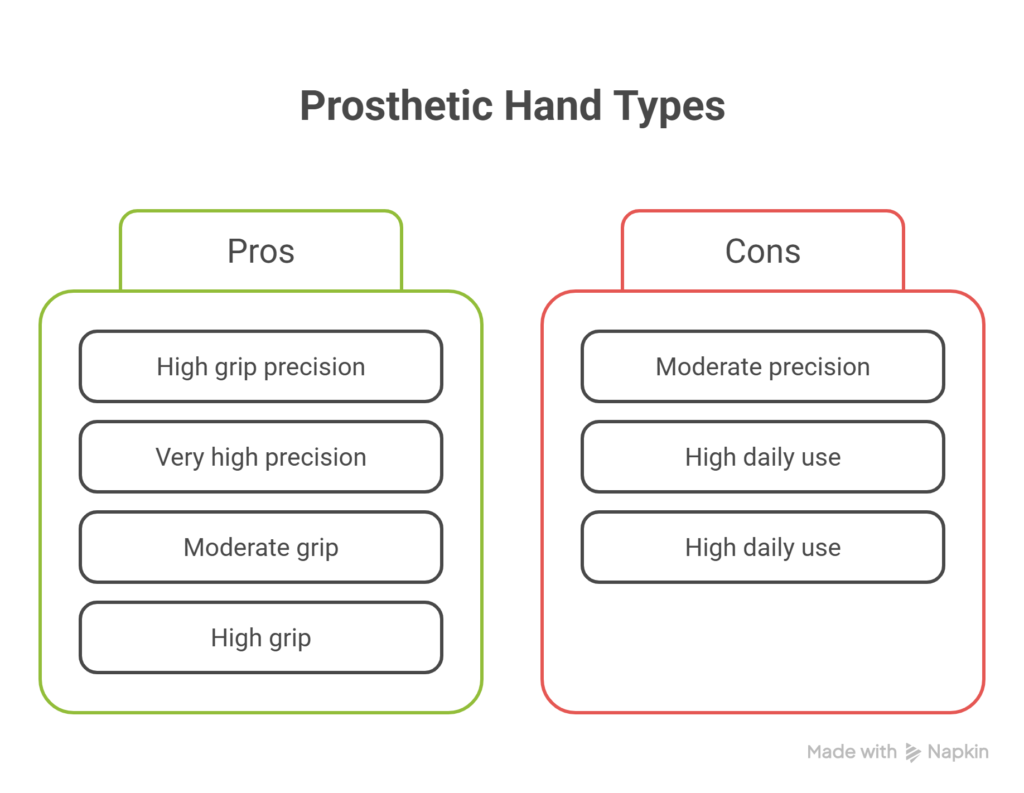
Table 1. Prosthetic type comparison based on grip precision and daily use suitability.
How Advanced Prosthetics Support Daily Life Activities
Daily life puts real demands on a prosthetic device. From making breakfast to typing on a keyboard, the tasks vary a lot. Advanced upper limb prosthetics are designed to handle this variety.
A 2022 study from the Journal of NeuroEngineering and Rehabilitation found that users of myoelectric hands completed daily tasks up to 40% faster than those using passive devices. The technology has come a long way in just a few years.
Kitchen and Meal Preparation
Cooking involves gripping, cutting, pouring, and stirring. Many advanced prosthetic hands have multiple grip modes. These include a pinch grip for small objects and a power grip for larger ones. Users can switch between modes with a small muscle movement or button press.
Some hands even have a wrist rotation feature. This helps with turning a doorknob, opening a jar, or stirring a pot. These small functions make a big difference in real life.
Expert Tip: When choosing a prosthetic for kitchen use, ask your prosthetist about waterproof or water-resistant models. Exposure to heat and moisture is common in cooking environments.
Personal Care and Dressing
Getting dressed each morning is one of the most common challenges for upper limb amputees. Buttons, zippers, and shoelaces all require fine motor control. Advanced prosthetics with precision pinch grips are built for exactly this.
Many users report that after 4 to 8 weeks of practice, they can dress themselves independently. The key is consistent training and working with an occupational therapist to build muscle memory.
Work and Professional Tasks
Office tasks like using a computer mouse, writing, or lifting files all require steady control. Myoelectric prosthetics with proportional control allow users to adjust grip strength. This means they can hold a pen without crushing it or type without missing keys.
Activity-specific devices are also available for trades like construction or mechanics. These are built for heavy-duty tasks and withstand more force than standard prosthetic hands.
Leisure and Physical Activity
Sports and hobbies are a major part of daily life. Advanced prosthetics have opened up activities that once seemed impossible. There are devices designed for cycling, swimming, climbing, and playing musical instruments.
Silicone-based prosthetic hands can even replicate the look of a natural hand, giving users more confidence in social settings.
Practical Tips for Adapting to an Advanced Prosthetic
Getting a new prosthetic is just the start. The real work comes in learning how to use it well. Here are tips from clinical experts and experienced users:
Start Slow and Build Confidence
Do not try to do everything at once. Begin with simple tasks like picking up a soft ball or opening a water bottle. Work up to harder tasks over time. Most users need 6 to 12 weeks of regular practice to feel comfortable.
Work With an Occupational Therapist
An occupational therapist (OT) will help you develop task-specific skills. They can suggest tools and adaptive equipment that work with your prosthetic. OT sessions are especially helpful in the first few months after fitting.
Maintain Your Device Regularly
Advanced prosthetics have electronic components that need care. Clean the socket and liner daily. Charge the battery as recommended. Have the device serviced by your prosthetist every 6 to 12 months. A well-maintained prosthetic lasts longer and works better.
- Clean the electrode sensors with a dry cloth after each use.
- Store the device in a cool, dry place when not in use.
- Check for skin irritation around the socket daily.
- Contact your prosthetist if you notice any unusual sounds or poor responsiveness.
Connect With a Peer Support Community
Many amputees find it helpful to connect with others who use prosthetics. Online groups and local support networks share real-world tips and encouragement. Hearing from someone who has gone through the same experience is deeply reassuring.
Practical Note: The Amputee Coalition (amputee-coalition.org) offers peer visitor programs where experienced users can meet and guide new prosthetic wearers. This kind of mentorship often speeds up the learning process.
What to Look for When Choosing an Advanced Prosthetic
Choosing the right device is a personal decision. It depends on your activity level, work demands, budget, and personal goals. Here are the main factors to consider:
Grip Patterns and Functionality
Look for a prosthetic that offers at least 3 to 5 grip patterns. Common ones include lateral pinch, power grip, tripod pinch, and open palm. The more patterns available, the more tasks you can perform.
Electrode Sensitivity and Control
Better electrode sensitivity means smoother control. Ask about proportional myoelectric control, which adjusts speed based on how hard you flex your muscle. This feels more natural than simple on/off switching.
Battery Life and Charging Time
Most advanced prosthetic hands run for 8 to 16 hours on a single charge. Some newer models support wireless charging. Always ask how long a full charge takes and how the battery performs in cold weather.
Weight and Comfort
A lighter device is easier to wear for long periods. Most myoelectric hands weigh between 400g and 600g. The socket fit is also critical. A poorly fitting socket causes skin breakdown and discomfort. Always get a custom-fit socket from a certified prosthetist.
For further reading on emerging prosthetic technology, visit the American Orthotic and Prosthetic Association at www.aopanet.org.
Real-World Outcomes From Advanced Prosthetic Users
The real measure of any prosthetic is how it performs outside the clinic. Here are field observations from prosthetists and users that highlight what is possible.
Case Insight: Returning to Work After Amputation
A 34-year-old machinist lost his right hand below the elbow in a workplace accident. After fitting with a myoelectric prosthetic hand with rotation and multiple grips, he returned to light work duties within 5 months. By month 9, he was operating tools again at full capacity. He credited daily OT sessions and consistent home practice for his fast progress.
Case Insight: Daily Life With a Bilateral Limb Difference
A woman with bilateral below-elbow limb differences used a combination of body-powered and myoelectric systems for different tasks. She used a body-powered hook for heavy activities like yard work and a myoelectric hand for fine tasks like dressing and cooking. This hybrid approach gave her the flexibility to handle a full day of varied activities with confidence.
These examples show that with the right device and proper training, a high level of independence is achievable. There is no single best solution. The best prosthetic is the one that fits your life.
Recovery Tips for New Prosthetic Users
The adjustment period after getting a new prosthetic can feel overwhelming. These tips can make the process smoother:
- Set small, weekly goals. Track your progress in a journal or app.
- Rest the residual limb if it feels sore. Overuse can cause skin problems.
- Practice in front of a mirror to get visual feedback on your movements.
- Ask your prosthetist about liner options if you experience excessive sweating.
- Be patient. Most users see major improvement between weeks 4 and 12.
Recovery is not linear. Some days will feel harder than others. Stay connected with your care team and do not skip follow-up appointments. Each session helps your prosthetist fine-tune your device for better comfort and performance.
Conclusion
Advanced upper limb prosthetics have made a real difference for millions of people around the world. From myoelectric hands that respond to muscle signals to activity-specific devices built for sports, the technology is more capable than ever.
The key to success is choosing the right device for your lifestyle, working closely with your care team, and committing to practice. Daily tasks that once felt impossible become routine with time and the right support.
If you are exploring prosthetic options or looking to upgrade your current device, speak with a certified prosthetist. They can guide you through the best choices based on your specific needs. For more information on prosthetics and rehabilitation, explore resources through the Amputee Coalition.