

Introduction
Foot pain affects nearly 77% of Americans at some point in their lives, yet fewer than 1 in 3 people ever seek professional treatment. If you are dealing with recurring heel pain, arch discomfort, or chronic lower back tension, you may already know how much these issues can slow you down. What you might not know is how much a single, well-fitted device can change that picture.
Custom orthotics have long been considered a specialty solution, but in cities like Tarzana, CA, where active lifestyles are the norm, more people are discovering their everyday value. Whether you spend long hours on your feet at work, train for weekend runs, or simply want to move through your day without discomfort, understanding why custom orthotics are worth the investment could be one of the most practical decisions you make for your health.
What Are Custom Orthotics and How Do They Work
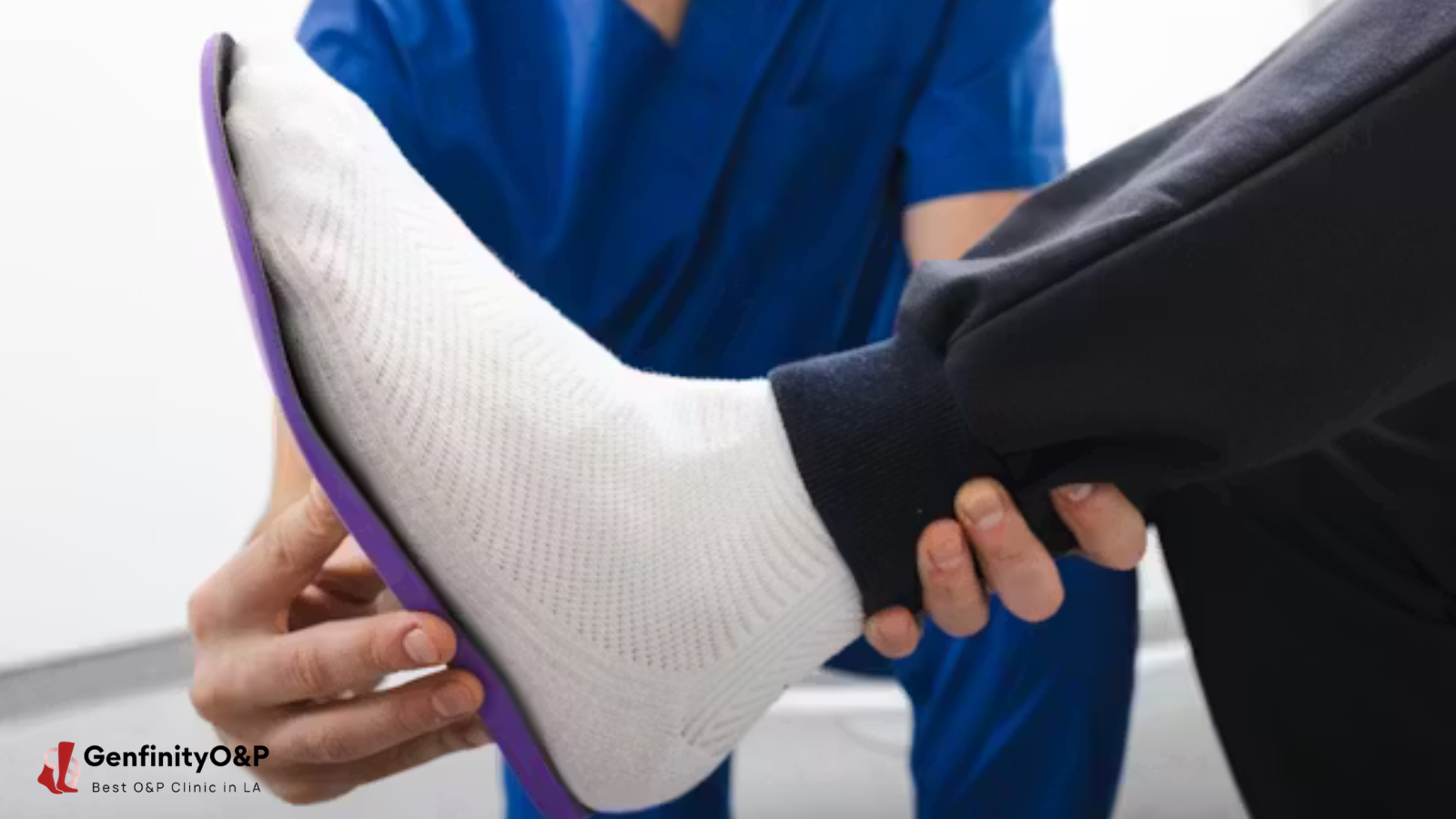
Custom orthotics are prescription foot devices designed specifically for the structure and biomechanics of your individual feet. Unlike the foam insoles you pick up at a pharmacy, these are built from detailed measurements, pressure mapping, and in many cases, 3D scanning technology.
They work by redistributing pressure across the foot, correcting abnormal gait patterns, and providing targeted support where your anatomy actually needs it. When fitted correctly, they change how your foot strikes the ground with every step, which has a ripple effect all the way up through your knees, hips, and spine.
This is not a one-size-fits-all product. It is a clinical solution built around your foot.
The Real Cost Comparison: Custom vs. Over-the-Counter
One of the biggest reasons people hesitate is price. Custom orthotics typically range from $300 to $800 depending on the provider and materials, while over-the-counter insoles cost between $15 and $60. On the surface, that gap looks significant. But the comparison deserves a closer look.
| Feature | Over-the-Counter Insoles | Custom Orthotics |
| Average Cost | $15 to $60 | $300 to $800 |
| Lifespan | 3 to 6 months | 3 to 5 years |
| Fit | Generic arch sizes | Individually prescribed |
| Biomechanical correction | Minimal | Clinically targeted |
| Insurance Coverage | Rarely covered | Often partially covered |
| Long-term Outcome | Symptom masking | Structural improvement |
When you factor in replacement frequency and the downstream costs of untreated foot problems such as physical therapy, pain medications, and specialist visits, custom orthotics frequently cost less over a five-year period than cycling through drugstore insoles and managing chronic pain separately.
Who Benefits Most from Custom Orthotic Insoles
Custom orthotics are not just for athletes or people recovering from injuries. They serve a wide range of conditions and lifestyles. Some of the most common candidates include people dealing with the following.
- Plantar fasciitis, which affects roughly 2 million Americans annually
- Flat feet or high arches that cause compensatory strain
- Bunions, hammertoes, or metatarsal pain
- Diabetic foot complications that require pressure offloading
- Chronic knee, hip, or lower back pain tied to gait problems
- Post-surgical foot or ankle recovery
In Tarzana and surrounding communities in the San Fernando Valley, many residents lead physically active lives that place consistent demand on their feet. Hikers, fitness enthusiasts, healthcare workers, teachers, and retail professionals are among the people who see the most consistent benefit from a properly fitted device.
Why Custom Orthotics Are Worth the Investment for Long-Term Health
The value of custom orthotics goes beyond immediate pain relief. When your foot mechanics are properly supported, your entire musculoskeletal chain benefits. This means less wear on your joints, better posture, and reduced risk of injury over time.
Research published in the Journal of Foot and Ankle Research found that patients using custom-fitted orthotic devices reported a 54% reduction in foot pain after 12 weeks compared to a 21% reduction in those using prefabricated insoles. That is more than double the outcome for a device designed specifically for your foot.
From a preventive health standpoint, the ability to stay mobile, avoid surgery, and reduce dependence on pain management medications represents significant long-term savings, both financially and in quality of life. For older adults especially, maintaining healthy foot mechanics is directly linked to fall prevention and independent living.
The Fitting Process: What to Expect
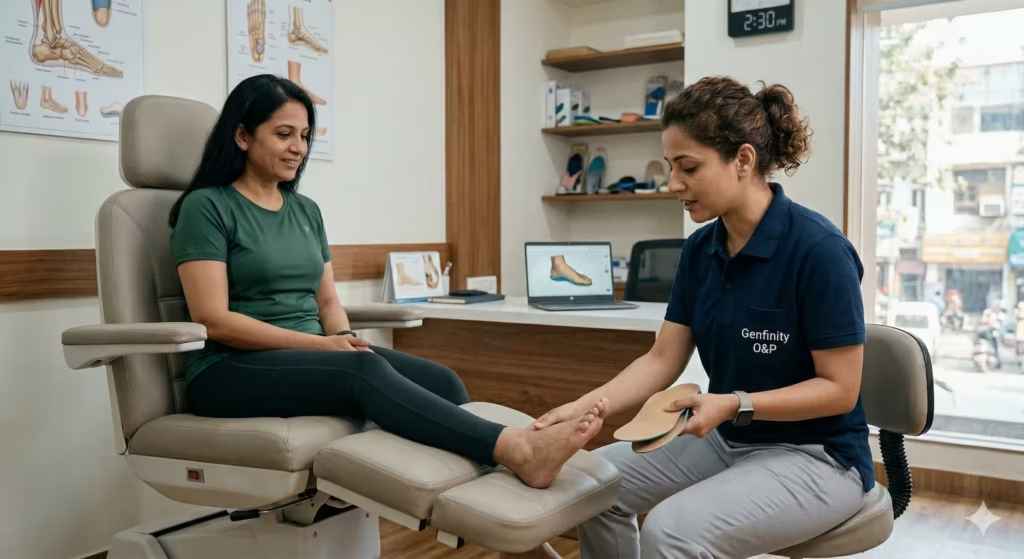
Getting custom orthotics is not a complicated process, but it does require professional evaluation. Here is what a typical assessment looks like at a qualified orthotics and prosthetics provider.
- Gait analysis to observe how you walk and identify compensatory patterns
- Pressure mapping to identify high-load areas on the plantar surface
- Foot casting or 3D scanning to capture the exact shape and contour of your foot
- Review of lifestyle and activity demands so the device matches your daily routine
- Material selection based on your weight, activity level, and the footwear you use most
- Follow-up fitting and adjustments to ensure comfort and function
A skilled clinician will also look at your footwear, posture, and any related conditions before finalizing the prescription. This is what separates a properly built orthotic from a generic product.
If you are in the Tarzana or greater Los Angeles area and looking for experienced orthotic care, the team at Genfinity O&P provides personalized fittings using modern assessment technology. They bring clinical expertise to every evaluation, which matters considerably when you are investing in a device built specifically for your body.
Common Conditions Treated with Custom Orthotics
Custom orthotic insoles are frequently prescribed as part of a broader treatment plan for the following conditions.
Plantar Fasciitis This is one of the most common foot conditions in the United States. Custom orthotics provide arch support and heel cushioning that reduce tension on the plantar fascia, which is the band of tissue connecting the heel to the toes.
Overpronation and Supination When the foot rolls too far inward or outward during walking, it creates stress up the leg. A properly shaped orthotic corrects the alignment at the source.
Diabetic Foot Care People with diabetes often experience reduced sensation in their feet, making pressure sores a serious risk. Custom devices are designed to redistribute load and protect vulnerable areas.
Sports Injuries and Prevention Athletes dealing with shin splints, stress fractures, or Achilles tendinopathy often find that orthotic support allows them to train more safely and recover more effectively.
Pediatric Foot Development Children with flat feet, toe-walking tendencies, or developmental gait issues can benefit from early orthotic intervention that supports healthier musculoskeletal development.
How Long Do Custom Orthotics Last
One of the practical advantages of custom orthotics is their durability. Depending on the material used and the demands placed on the device, most custom orthotics last between three and five years. Some rigid functional orthotics last even longer with proper care.
Signs that your orthotics may need replacement or adjustment include visible wear to the shell or cover, a return of symptoms that had previously resolved, or changes to your weight, activity level, or foot shape due to injury or surgery.
Regular check-ins with your orthotist ensure that the device continues to perform as intended. This is especially important if your lifestyle changes significantly or if you switch to a different type of footwear.
Insurance and Coverage Considerations
Many people assume custom orthotics are entirely out-of-pocket expenses, but that is not always the case. Coverage depends on your insurance plan, the diagnosis associated with the prescription, and whether the provider is in-network.
Medicare, for example, covers custom orthotics under certain qualifying diagnoses including diabetes, peripheral vascular disease, and specific foot deformities. Many private insurance plans offer partial coverage as well.
It is worth calling your insurance provider directly to ask about Durable Medical Equipment benefits, which is the category under which orthotics are typically classified. A qualified provider can also help you navigate the documentation process to maximize reimbursement.
According to the American Podiatric Medical Association, patients who work with certified orthotists and have proper clinical documentation are significantly more likely to receive insurance reimbursement than those who pursue orthotics without a formal diagnosis.
Expert Insight: What Clinicians Observe
Deepak, a highly experienced orthotics and prosthetics specialist with over 25 years in the field and owner of Genfinity O&P, emphasizes that the true effectiveness of custom orthotics lies in a holistic approach to patient care.
From a clinical perspective, patients who benefit most from custom orthotics are those who see them as part of a broader health strategy, not a quick fix. The best outcomes come when orthotics are combined with proper footwear, regular stretching, and, when needed, physical therapy.
Choosing the Right Orthotics Provider in Tarzana, CA
The quality of your orthotics depends heavily on the provider you choose. Look for a certified orthotist or a licensed orthotics and prosthetics provider who uses current assessment technology and takes time to understand your lifestyle and goals.
Questions worth asking during your first appointment include the following.
- What assessment tools do you use for fitting?
- Do you offer follow-up adjustments included in the cost?
- How do you handle insurance pre-authorization?
- What materials do you recommend for my specific activity level?
For residents of Tarzana and the surrounding San Fernando Valley, working with a local provider means you have ongoing access to adjustments and follow-up care without the inconvenience of traveling far. The team at Genfinity Orthotics and Prosthetics serves the local community with individualized care plans and uses clinical-grade assessment to ensure every device is built with precision and purpose.
Summary Comparison: Custom Orthotics vs. Alternatives
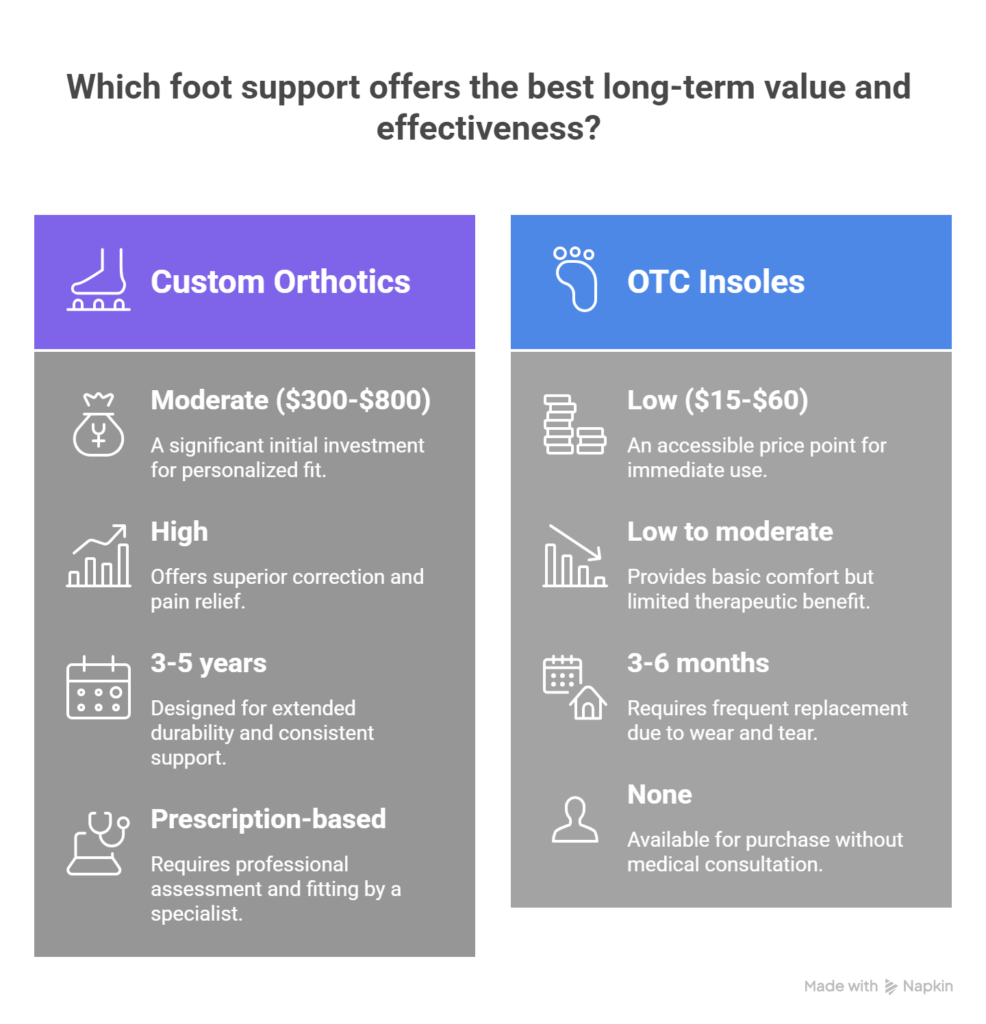
The table makes clear that custom orthotics occupy a unique position. They are not the cheapest option upfront, but they offer a level of effectiveness and longevity that neither drugstore insoles nor ongoing therapy sessions can match on their own.
Frequently Asked Questions
How do I know if I need custom orthotics or if over-the-counter insoles are enough? If you have a specific diagnosis, structural foot issue, or symptoms that have not resolved after trying generic insoles, a professional evaluation is the right next step. OTC insoles work for mild discomfort, but they cannot correct biomechanical problems.
Can children wear custom orthotics? Yes. Pediatric orthotics are commonly prescribed for flat feet, in-toeing, out-toeing, and developmental delays in gait. Early intervention often leads to better long-term outcomes.
How long does it take to adjust to custom orthotics? Most people feel comfortable within one to two weeks. Some providers recommend wearing the orthotics for a few hours each day during the initial break-in period before transitioning to full-day use.
Will custom orthotics work in all my shoes? They are typically designed to fit standard shoe styles. Your provider should ask about the types of footwear you use most so they can design a device compatible with your lifestyle.
Are custom orthotics tax deductible? In the United States, custom orthotics prescribed by a licensed healthcare provider may qualify as a deductible medical expense if your total medical expenses exceed the IRS threshold. Consult a tax professional for guidance specific to your situation.
Final Thoughts
The question of whether custom orthotics are worth the investment has a straightforward answer when you look at the full picture. They are designed specifically for your body, they address the underlying cause of foot pain rather than masking it, they last for years, and they often prevent the kind of downstream health problems that cost far more to treat.
For people in Tarzana, CA and across the greater Los Angeles area who are ready to take foot health seriously, working with a qualified provider is the logical first step. A professional evaluation costs nothing compared to years of unresolved pain, limited mobility, or a preventable injury down the road.
If you found this helpful, you may also want to explore related topics on how proper footwear selection affects gait mechanics and what to expect during post-surgical orthotic fitting.