

Introduction
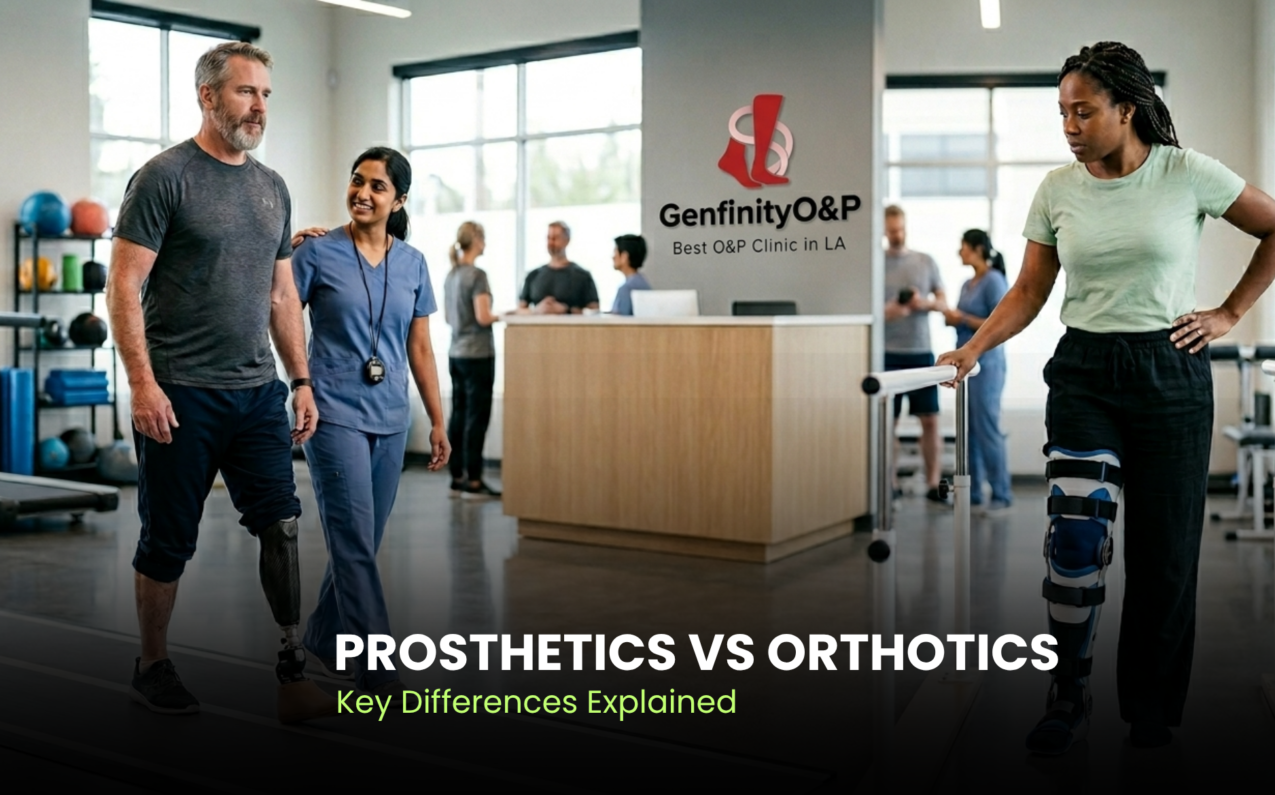
When people hear the words prosthetics and orthotics, they often mix them up. Both fields deal with mobility devices and physical support. But they serve very different purposes. Understanding the difference can help you make better decisions about your care.According to the American Orthotics and Prosthetics Association (AOPA), over 5.6 million people in the United States use orthotic or prosthetic devices. That number is growing every year. Whether you are a patient, caregiver, or simply curious, this guide will give you a clear picture of what each device does and who benefits most.
Keypoints
- Clear explanation of prosthetics vs orthotics
- Simple breakdown of key differences and uses
- Who needs prosthetic devices and why
- Who benefits most from orthotic support
- Common types of prosthetic and orthotic devices
- Expert insights from Genfinity O&P specialist Deepak
- Cost, insurance, and treatment process overview
- Guidance for recovery, comfort, and better mobility decisions
What Is a Prosthetic Device
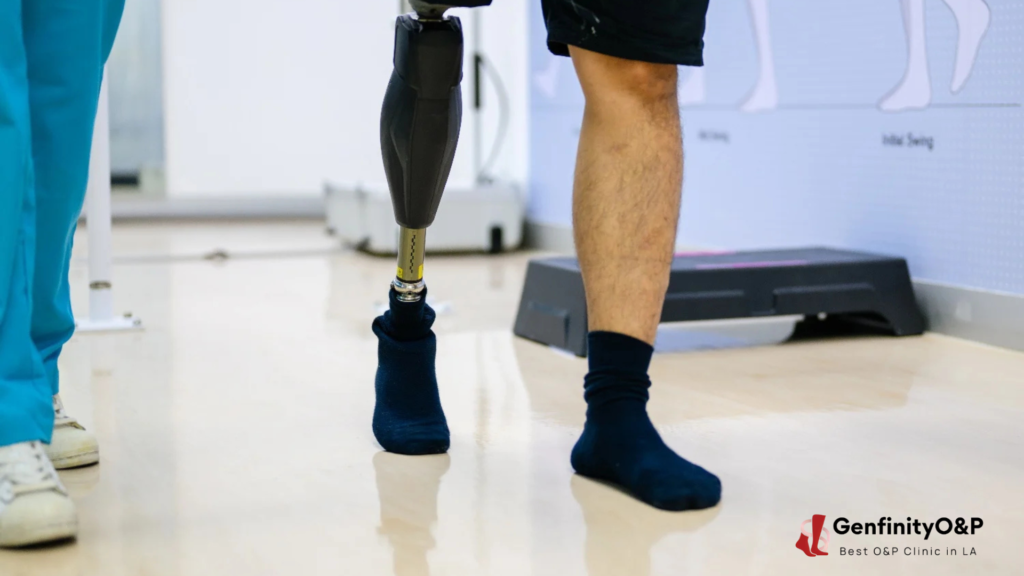
A prosthetic device replaces a missing body part. This could be a limb, a joint, or even a facial structure. People who have had amputations or were born without a limb often rely on prosthetics to regain function and independence.
Modern prosthetics have come a long way. Today, many are built with lightweight carbon fiber and smart sensors. Some even respond to nerve signals from the brain. The goal is always to restore as much natural movement as possible.
Common Types of Prosthetic Devices
- Transtibial prosthesis (below the knee)
- Transfemoral prosthesis (above the knee)
- Upper limb prosthetics for arm or hand loss
- Myoelectric prosthetics that use muscle signals
- Activity-specific prosthetics for sports or swimming
Each type is custom-fitted to the individual. A certified prosthetist takes detailed measurements and casts of the residual limb. The fitting process can take several weeks and often requires adjustments over time.
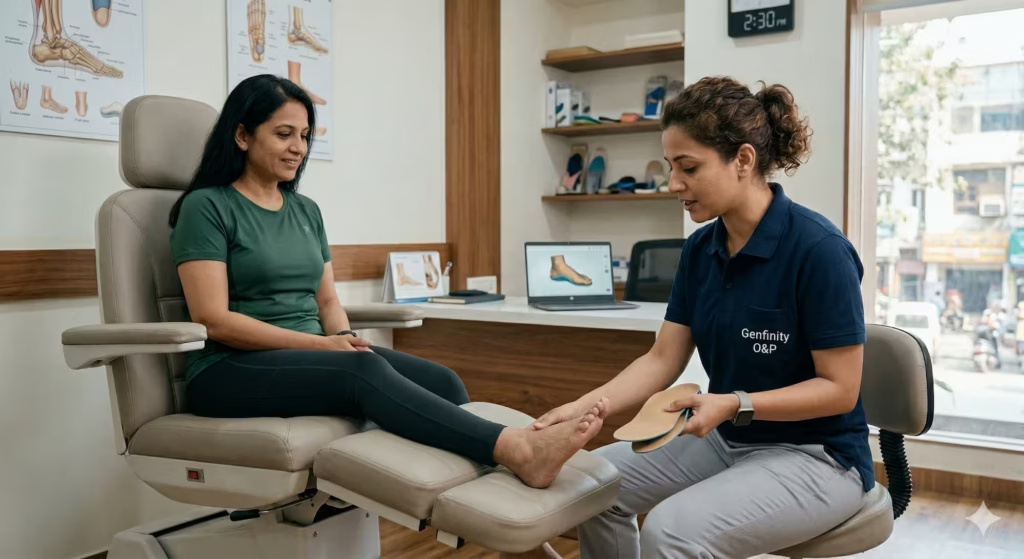
Deepak, owner of Genfinity Orthotics & Prosthetics with 25+ years of experience, recommends a trial socket and professionally aligned custom soles to ensure the perfect fit, comfort, and performance. He strongly advises patients to choose customized solutions for better mobility, long-term support, and improved daily comfort
What Is an Orthotic Device
An orthotic device supports, aligns, or corrects a body part that is still present but not working properly. Orthotics do not replace anything. Instead, they help the existing structure work better or protect it from further damage.
Orthotics are used for a wide range of conditions. These include flat feet, scoliosis, knee instability, and post-surgical recovery. They can be rigid or flexible, depending on the level of support needed.
Common Types of Orthotic Devices
- Ankle-foot orthosis (AFO) for drop foot or weakness
- Knee orthosis (KO) for ligament injuries
- Spinal orthosis for scoliosis or back pain
- Custom foot orthotics for plantar fasciitis
- Wrist splints for carpal tunnel syndrome
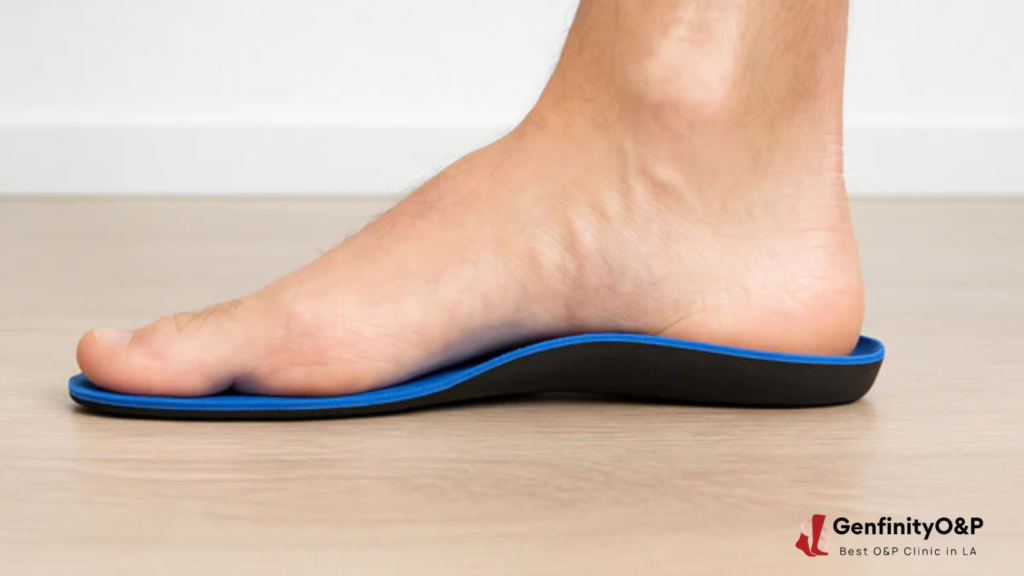
Unlike prosthetics, orthotics range from fully custom devices to prefabricated options available at pharmacies. Your physician or orthotist will determine what level of customization you need based on your diagnosis.
Expert Insight: Deepak, 25+ years experience expert, highlights that custom foot orthotics, combined with regular stretching, can significantly reduce plantar fasciitis pain, by up to 54% within 12 weeks.
Prosthetics vs Orthotics: A Side-by-Side Comparison
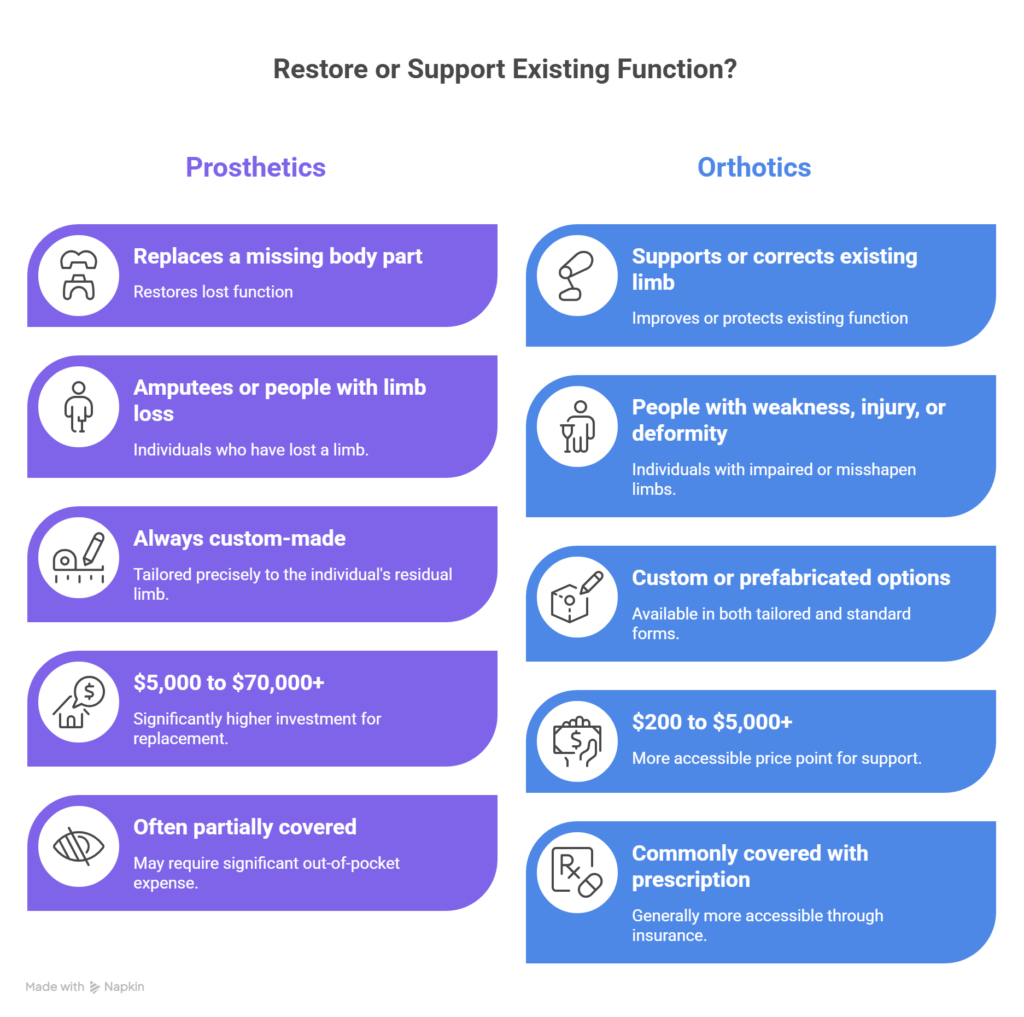
The table below breaks down the most important differences between the two fields. Use this as a quick reference when exploring your options.
Who Needs Prosthetics vs Orthotics
When Prosthetics Are the Right Choice
If you have experienced limb loss due to trauma, diabetes, vascular disease, or cancer, prosthetics may be the solution. The level of amputation and your overall health will determine which type of prosthetic is best for you.
In the United States, diabetes and vascular disease account for more than 54% of all amputations each year. Early intervention and proper fitting can dramatically improve quality of life after amputation.
When Orthotics Are the Right Choice
If you have a condition that affects your gait, balance, or joint stability but still have your limbs intact, orthotics are likely the better fit. Common candidates include stroke survivors, children with cerebral palsy, athletes recovering from ligament injuries, and adults with chronic arthritis.
Orthotics are also used preventively. A runner with high arches, for example, might use foot orthotics to prevent future injuries before they happen.
Practical Tips for Recovery
Whether you are adapting to a new prosthetic or starting with an orthotic device, recovery takes time and consistency. These practical tips can help you get the most out of your device and heal faster.
| Recovery Phase | Prosthetics Tips | Orthotics Tips |
| Week 1-2 | Keep residual limb elevated. Monitor swelling. | Wear device for short periods only. |
| Week 3-4 | Begin gait training with therapist. | Increase wear time gradually each day. |
| Month 2-3 | Practice walking on uneven ground. | Strengthen surrounding muscles daily. |
| Month 4+ | Explore activity-specific devices. | Review fit with your orthotist regularly. |
General Recovery Tips for Both Devices
- Attend all follow-up appointments with your specialist.
- Perform prescribed physical therapy exercises every day.
- Report any skin irritation, pain, or pressure sores right away.
- Maintain a healthy weight to reduce stress on your device and joints.
- Keep a daily log of wear time, comfort level, and any concerns.
Skin care is especially important for prosthetic users. The residual limb is under constant pressure and friction. Use a gentle cleanser daily and inspect the skin after each use. Any redness that lasts more than 20 minutes after removing the device should be reported.
The Role of a Certified Specialist
Both prosthetics and orthotics are provided by licensed professionals known as prosthetists and orthotists. In the United States, board certification is issued by the American Board for Certification in Orthotics, Prosthetics and Pedorthics (ABC).
Choosing a certified specialist matters. Research shows that patients who work with ABC-certified practitioners have better functional outcomes and report higher satisfaction with their devices. Always verify credentials before starting treatment.
What to Expect at Your First Appointment
- A full physical evaluation of your condition or residual limb.
- A discussion of your lifestyle, goals, and daily activities.
- Measurements, scans, or casts depending on the device needed.
- A timeline and cost estimate for fabrication and fitting.
- An overview of the rehabilitation process ahead.
Most fittings take between one and four weeks, depending on the complexity of the device. Plan for multiple visits, especially in the first few months, as adjustments are a normal part of the process.
Cost and Insurance Coverage
Cost is often a major concern when choosing prosthetic or orthotic solutions. While prosthetic devices can range from $5,000 to over $70,000, orthotic options are generally more affordable, but quality and proper alignment make all the difference.
At Genfinity O&P (you can now get custom soles starting at just $200 USD, designed for better comfort, support, and daily mobility.
If the budget has been holding you back, this is a practical way to start improving your foot health without compromise, guided by expert care and proper fitting.
Conclusion
Prosthetics and orthotics are two distinct but equally important fields of medicine. Prosthetics replace missing limbs and body parts, while orthotics support and correct existing structures. Both require professional evaluation, custom fitting, and consistent rehabilitation to deliver the best results.
Understanding the difference helps you ask better questions, advocate for yourself, and find the right solution faster. Whether you are just starting your journey or seeking to optimize a current device, working closely with a certified specialist makes all the difference.
If you found this guide helpful, consider reading our related article on how to choose the right physical therapist after limb surgery. And if you have questions about your specific condition, reach out to a certified prosthetist or orthotist in your area for a personalized evaluation.
Ready to take the next step? Visit Genfinity Orthotics & Prosthetics and talk to a certified specialist today to find the right device for your needs and lifestyle.