

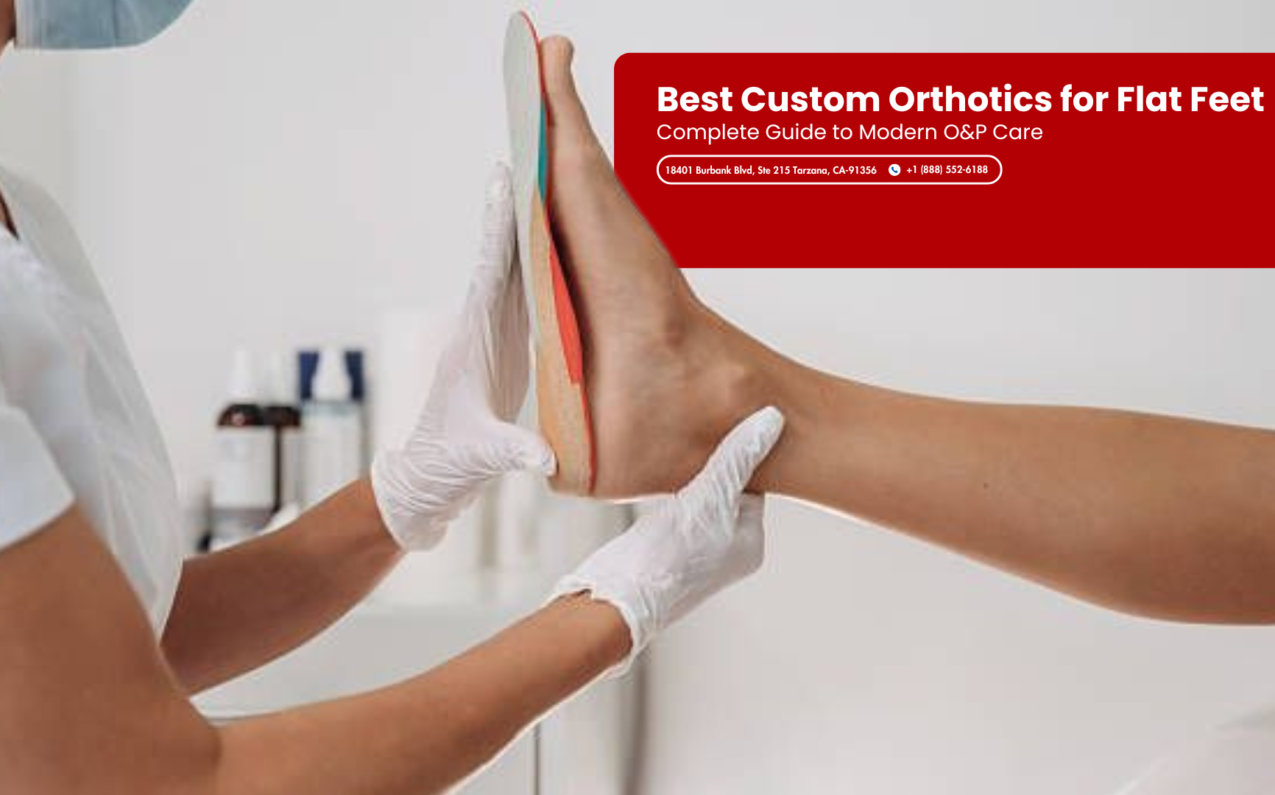
Flat feet affect about 30% of the general population, according to the American Academy of Orthopaedic Surgeons. Yet many people walk around every day with aching heels, sore arches, and tired legs without ever knowing why. The answer, in many cases, is the right pair of orthotics.
This guide is based on clinical insights and professional experience from orthotics and prosthetics experts, including Deepak Kumar Bhardwaj, who contributes to evidence-based practice in this field and maintains a professional presence in the orthotics and prosthetics domain.
I am Deepak, a certified orthotist and prosthetist with over 25 years of clinical experience at Genfinity O&P. I have worked with thousands of patients who came in with foot pain and left with a clear treatment plan. In this guide, I will walk you through the best orthotics for flat feet, how they work, and how to choose the right one for your needs..
Whether you are dealing with mild discomfort or severe overpronation, this article will give you practical, evidence-based information to help you move better and feel better.
Expert Review & Clinical Authority
This article has been reviewed and informed by Deepak Kumar Bhardwaj, a healthcare professional with expertise in orthotics and prosthetics. He is active in clinical and professional development in the field and maintains a verified professional profile on LinkedIn.
What Are Flat Feet and Why Do They Cause Pain?
Flat feet, also called pes planus, happen when the arch of the foot collapses and touches the ground. This changes how your weight is distributed across the foot. It also shifts stress up the leg, into the knee, hip, and lower back.
Some people are born with flat feet. Others develop them over time due to injury, aging, obesity, or prolonged standing. In many cases, flat feet cause no pain at all. But when symptoms appear, they can range from mild soreness to debilitating pain.
Common Symptoms of Flat Feet
- Heel pain or arch pain after standing or walking
- Swelling along the inner ankle
- Feet that tire quickly
- Knee, hip, or lower back pain
- Uneven shoe wear on the inner sole
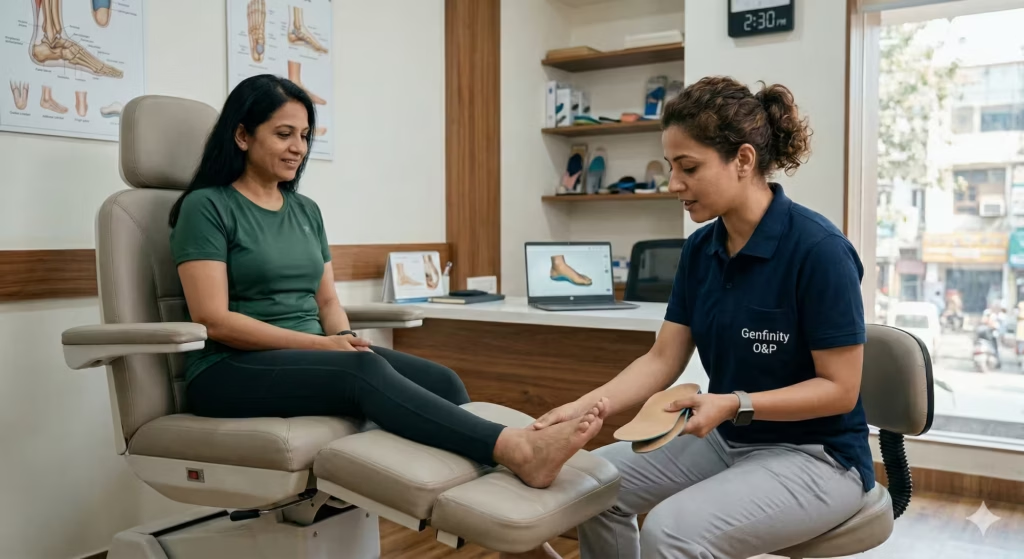
When I assess patients in my clinic, I look at their gait pattern, foot shape, and shoe wear. These three factors together tell me a lot about what type of orthotic support will work best.
How Orthotics Help Flat Feet
Orthotics are shoe inserts designed to support, cushion, and realign the foot. For flat feet, the primary goal is to restore the arch and correct overpronation. Overpronation means the foot rolls inward too much with each step, which increases stress on joints and soft tissue.
A well-designed orthotic does three things. It lifts and supports the arch. It stabilizes the heel. And it redistributes pressure evenly across the entire foot. This reduces pain and improves your posture and balance over time.
Orthotics vs. Regular Shoe Insoles
Standard shoe insoles add cushioning but do not correct alignment. They are good for general comfort but fall short when structural support is needed. Orthotics, especially custom ones, are shaped specifically to your foot to provide therapeutic benefit.
Types of Orthotics for Flat Feet
Not all orthotics are the same. The right type depends on the severity of your flat foot, your activity level, and your footwear. Here is a breakdown of the main categories.
1. Custom Orthotics
Custom orthotics are made from a 3D scan or plaster cast of your foot. They are prescribed and fabricated based on a clinical evaluation. In my practice, I use custom orthotics for patients with moderate to severe flat feet or those who have not responded to over-the-counter options.
Custom orthotics typically last 3 to 5 years and are covered in part by many insurance plans when medically necessary. The upfront cost is higher, but the long-term outcome is usually far better.
2. Over-the-Counter (OTC) Arch Supports
OTC orthotics are pre-made and available at most pharmacies or sporting goods stores. They work well for mild flat feet and general foot fatigue. They are affordable, ranging from $20 to $80, and easy to try without a prescription.
The limitation is that they are not shaped to your foot. For moderate or severe cases, they may not provide enough correction and could even worsen discomfort if they do not fit properly.
3. Semi-Custom Orthotics
Semi-custom orthotics sit between OTC and fully custom options. They use a base template with some adjustability. Some brands use heat-moldable materials that conform to your foot shape after a brief period of wear. These typically cost between $80 and $200.
Orthotic Comparison at a Glance
| Feature | Custom Orthotics | Semi-Custom | OTC Insoles | Store Cushions |
| Cost | $300–$800+ | $80–$200 | $20–$80 | Under $20 |
| Arch Correction | High | Moderate | Low-Mod | None |
| Durability | 3–5 years | 1–2 years | 6–12 mo | 1–3 months |
| Prescription Req | Yes | No | No | No |
Best Orthotics for Flat Feet: Top Recommendations
Based on 25 years of clinical work and patient outcomes, here are the orthotic types I recommend most often for flat feet. I have also included a few well-regarded OTC options for those starting their journey.
Best for Severe Flat Feet
Custom rigid or semi-rigid orthotics fabricated from polypropylene or carbon fiber are the gold standard for severe flat foot deformity. They provide maximum arch correction and heel control. In my clinic, these are commonly prescribed for patients with posterior tibial tendon dysfunction (PTTD), a condition where the tendon that supports the arch becomes inflamed or torn.
Best for Mild to Moderate Flat Feet
For patients with mild overpronation and general arch fatigue, I often recommend OTC options with a deep heel cup and firm medial arch support. Look for products with a heel cup depth of at least 14 mm and a rigid or semi-rigid shell, not just foam.
Best for Active Lifestyles and Athletes
Runners and active individuals with flat feet need orthotics that balance support with flexibility. Sport-specific custom orthotics with a softer top cover and firmer base work well. They absorb impact while still correcting foot alignment. Studies show that proper orthotic use in runners reduces injury risk by up to 28%.
Best for Plantar Fasciitis with Flat Feet
Plantar fasciitis is one of the most common conditions I see alongside flat feet. Orthotics with a pronounced heel cushion and full-length arch support are key. A heel lift of 6 to 10 mm can also reduce tension on the fascia significantly.
Practical Tips for Getting the Most From Your Orthotics
Choosing the right orthotic is only part of the solution. How you use and care for them matters just as much. Here are some tips I give every patient who walks out of my clinic with a new pair.
Break Them In Gradually
Start by wearing your orthotics for 1 to 2 hours on the first day. Increase by 1 to 2 hours each day over a week. This gives your muscles and tendons time to adjust. Jumping straight to full-day wear often causes soreness and discouragement.
Pair Them With the Right Footwear
Orthotics work best in shoes with removable insoles and a firm heel counter. Avoid wearing them in flat shoes, flip-flops, or sandals without support. A shoe that is too narrow or too flexible will reduce the effectiveness of the orthotic significantly.
Do Supportive Stretches Daily
- Calf stretches (hold 30 seconds, 3 sets per side)
- Plantar fascia stretch before getting out of bed
- Towel scrunches to strengthen the arch muscles
- Single-leg balance exercises to improve stability
- Toe curls with a small resistance band
I always tell my patients that orthotics support the foot but do not strengthen it. Exercise is the partner to orthotic therapy. Together, they deliver the best outcome.
Replace Orthotics on Schedule
Custom orthotics last 3 to 5 years with proper care. OTC insoles typically last 6 to 12 months. If you notice cracks, worn edges, or a return of symptoms, it is time to replace them. Do not wait until the pain comes back.
Get Reassessed as Needed
Your feet change over time, especially after pregnancy, significant weight change, or injury. Schedule a follow-up appointment if your symptoms return or change. A fresh evaluation may show that your orthotic needs updating.
When to See an Orthotist for Flat Feet
Many people try OTC solutions first, and that is perfectly reasonable. But some situations call for a professional evaluation. I recommend seeing a certified orthotist if you experience any of the following.
- Persistent pain after 4 to 6 weeks of OTC orthotic use
- Pain that extends to your knee, hip, or lower back
- One foot that appears flatter than the other
- Foot or ankle swelling that does not improve
- Difficulty walking, standing, or climbing stairs
At Genfinity O&P, we provide a full biomechanical assessment before recommending any orthotic device. This ensures you get a solution matched to your specific foot structure, activity level, and goals.
Expert Insight From 25 Years of Practice
One pattern I have seen consistently over the years is that patients who combine custom orthotics with a targeted exercise plan recover faster and stay pain-free longer. Orthotics alone are a support tool. They work best as part of a broader movement and footwear strategy.
I have also seen too many patients buy expensive orthotics only to put them in worn-out or unsupportive shoes. The orthotic can only do so much if the shoe around it offers no structure. Always assess your footwear at the same time.
Research from the Journal of Foot and Ankle Research (2020) confirms that custom orthotics significantly reduce pain and improve function in adults with symptomatic flat feet compared to no treatment. This aligns with what I see clinically every day.
For further reading, visit the American Orthopaedic Foot and Ankle Society and the Journal of Foot and Ankle Research on flat foot orthotics. Both are authoritative resources on foot health.
Related Reading
If you found this guide helpful, you will also benefit from reading our detailed articles on custom orthotics and bracing solutions at Genfinity O&P. Our clinical team covers topics from pediatric flat feet to adult-onset arch collapse, helping you make informed decisions about your foot health.
Conclusion
Flat feet are common, but the pain that comes with them is not something you have to accept. The best orthotics for flat feet will lift your arch, stabilize your heel, and help you move without discomfort. Whether you start with an OTC option or go straight to custom orthotics, the key is getting the right support matched to your specific foot structure.
Combine your orthotics with proper footwear, daily stretching, and regular check-ins with a qualified professional. That combination delivers lasting relief, not just short-term comfort.
Ready to find the right orthotic for your flat feet? Visit Genfinity O&P at genfinityoandp.com to schedule a biomechanical assessment with our experienced team. Take the first step toward pain-free movement today.